Questions & Answers
This is the full library: the medicine, the safety screening, medications, the experience itself, cost, the journey to Akumal, and what happens when you go home. Some answers depend on your specific case and our medical team’s judgment. When they do, we will tell you that straight instead of guessing. Anything else: call us or message us on WhatsApp.
The Medicine
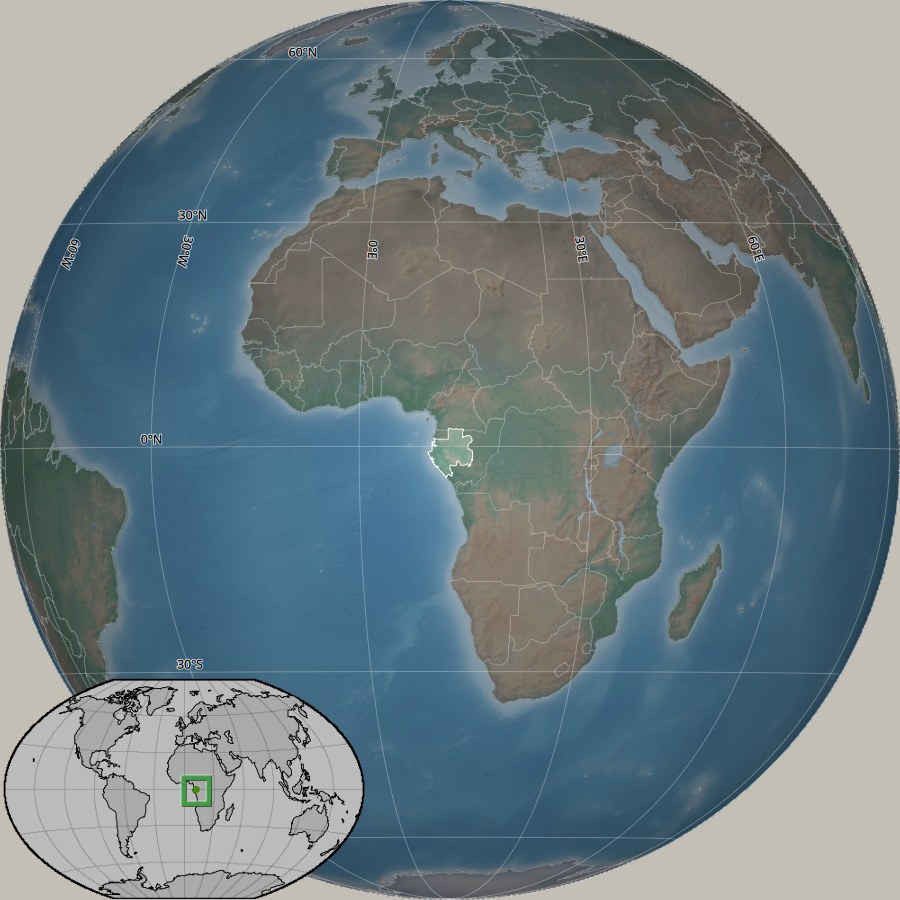
Ibogaine is a naturally occurring compound from the root bark of the iboga shrub (Tabernanthe iboga), native to Gabon in West Africa, where it has been used for generations in Bwiti spiritual tradition as a sacrament of initiation and healing. In the 1960s it was observed to interrupt opioid withdrawal, and it has been studied for that property ever since. It produces a long, dreamlike state (researchers call it oneirogenic, “dream-generating”). It is not legal in the United States; treatment at New Life happens in Mexico, under medical care. Our research library tells the whole story, roots included.
Unusually. Most addiction medicines act on a single receptor; Ibogaine interacts with several systems at once, opioid, serotonin, dopamine, and others, which researchers believe helps explain how it can ease withdrawal and quiet craving in the same treatment. The body then converts it into noribogaine, a related compound that stays active for days to weeks, extending the effect. Laboratory research also shows Ibogaine raising GDNF, a growth factor that nourishes dopamine neurons, one proposed basis for the “reset” people describe. The full mechanism is still being mapped, and our library separates what’s known from what’s hypothesized.
No. And this is one of its most distinctive properties. Ibogaine is not habit-forming and produces no craving for itself. It is not taken daily, and there is no maintenance prescription and nothing to run out of when you go home. Your dose is personal. Our medical team matches it to your body and your needs, and if more is needed, more can be given. The 8-day program includes a second treatment, and a further treatment later is possible after a new screening.
That a single treatment is associated with major reductions in opioid withdrawal within days, reduced craving, and, in the Stanford study of veterans with traumatic brain injury, large average reductions in PTSD, depression, and anxiety symptoms at one month, with no serious adverse events. It also says, clearly: the evidence is mostly observational, sample sizes are small, there has been no large placebo-controlled trial, and long-term data are thin. We find that combination genuinely hopeful and genuinely unfinished, which is why our research library summarizes every study with its design and its limits attached.
In the United States, Ibogaine is a Schedule I substance. It was put there in 1970, along with the other psychedelics, long before its power against addiction was understood. Schedule I means the federal government treats it as having no accepted medical use, so no clinic in the US can legally offer it. That is beginning to change: states like Texas are now funding clinical trials. In Mexico, Ibogaine is not a controlled substance. It was never scheduled, so clinics here can provide it openly, under medical supervision. That is why Americans travel here for a treatment they cannot get at home.
Safety & Screening
Ibogaine demands real respect, and our screening is built around that. Every guest completes a full medical screening before treatment (EKG, heart evaluation, blood tests, toxicology screening, and blood pressure and vitals) and a surgeon and two nurses are on staff full-time at the sanctuary. We turn people away when treatment isn’t safe for them. That isn’t fine print; it’s the standard the whole program is built on.
The serious risk is cardiac: Ibogaine can lengthen the QT interval, the heart’s electrical reset time, and people with certain heart conditions or on certain medications face real danger. Deaths have occurred in settings without cardiac screening or monitoring, including one inside a published New Zealand study, which our library discusses openly. Common, lesser effects during treatment include nausea, dizziness, tremor, and unsteady movement (ataxia), which pass as the experience resolves. Our answer to all of it is structural: screening before, monitoring during, a full-time medical team on site, and the authority to say no.
Generally: people with significant heart conditions or a prolonged QT interval, serious liver problems, certain psychiatric conditions, or medication combinations that interact dangerously with Ibogaine. Pregnancy is also a disqualifier. But lists like this are only a starting point. The real answer comes from your screening results, reviewed by our medical team, who make the final call in every case.
A full medical screening: an EKG and heart evaluation, blood tests, a toxicology screening, and blood pressure and vitals checks. Guests are turned away when the results say treatment isn’t safe. The screening call is where it starts. We’ll explain exactly what’s needed, what you can do near home, and what happens on site.
Then we tell you plainly, explain why, and help you think about what might serve you instead. That conversation costs nothing and carries no obligation. Being told no by a careful clinic is information, not rejection.
Medications & Substances
Never stop a prescribed medication on your own to prepare for treatment. Every answer below begins the same way: tell us everything, and let the medical team build the path.
Often, yes, but not directly, and never by guessing. Suboxone (buprenorphine) and methadone are long-acting opioids, and Ibogaine protocols generally require a medically guided transition to a shorter-acting medication first; the published Mexico studies prepared patients exactly that way. Your timeline depends on your dose and history, and it’s set by the medical team after screening, not by a website.
Fentanyl is its own problem: it stores in body fat and clears unpredictably, which makes the timing of Ibogaine treatment more complex than with shorter-acting opioids. It does not automatically disqualify you (many clinics treat fentanyl dependence), but it does mean your preparation plan has to be built carefully and individually. That starts on the screening call.
Alcohol withdrawal can be medically dangerous on its own, so this is a question for the medical team, not willpower: depending on how much and how long you’ve been drinking, you may need a supervised detox or a specific abstinence window before Ibogaine is safe. Tell us the unvarnished truth on the screening call. We’ve heard it all, and honesty here is what keeps you safe.
Bring the complete list to the screening call: prescriptions, over-the-counter, supplements, all of it. Some medications interact with Ibogaine and need adjusting or pausing under medical direction; many don’t. What you must not do is stop anything abruptly on your own. The medical team reviews the full picture and tells you exactly what, if anything, changes.
The Experience
Most people move through phases. Early on: sounds sharpen, a buzzing or vibration is common, and movement becomes unsteady, you’ll be resting, watched over, the whole time. Then the oneirogenic phase: a waking-dream state in which memories and scenes from your life surface, often with unusual clarity and emotional distance, many describe it as watching their life rather than reliving it. Afterward comes a reflective stretch of many hours as the intensity recedes. It is long, it is demanding, and it is not recreational. It is also, for many, the first time they’ve seen their own story whole.
The day after treatment, many guests feel flat, tired, and quiet, neither joyful nor in withdrawal, just gray. It’s a known part of the arc: the body is spent, and noribogaine is still at work. Our programs are built around it. That day is for rest, mineral baths, and gentle care, not effort, and for most people it lifts within a day or two into a noticeably clearer stretch, when the integration work begins in earnest.
The experience itself runs roughly a day, with a reflective tail. The after-window is longer: noribogaine remains active for days to weeks, and the published studies track outcomes at 1, 3, 6, and 12 months, with improvements strongest early and persisting, somewhat diminished, across the year in the observational data. The honest framing: Ibogaine opens a window measured in weeks. What gets built in it, with integration, support, and new habits, is what lasts.
No honest clinic can promise that, and you should be wary of any that does. What we can say: the research shows substantial improvements for many people who had already tried treatment repeatedly; our programs are built to give the medicine its best conditions: real screening, full-time medical care, preparation, and integration; and the screening call exists so we can tell you plainly whether your situation looks like one this medicine serves. If it doesn’t, we’ll say that too.
Our 8-day program includes a second Ibogaine treatment within the same stay, for guests the medical team clears for it. Beyond that, repeat treatment is a medical question, decided case by case after full re-screening, not something to plan around, and not a failure if it’s ever considered.
Programs & Cost
The six-day program is $7,900 (regularly $8,900) with one Ibogaine treatment and a Bufo (5-MeO) session; the eight-day program is $9,500 (regularly $10,500) with two Ibogaine treatments and a Bufo session. Both are all-inclusive. And please hear this plainly: we offer heavy discounts and sponsorship programs based on affordability. If cost is the wall between you and this treatment, call us. Cost is always worth a conversation.
Depth. The 6-day program carries one Ibogaine treatment with the full arc around it: screening, preparation, ceremony, the gray day, and integration. The 8-day program adds a second Ibogaine treatment, with more days for the work to settle between them. Both programs include a Bufo (5-MeO) session. Both are all-inclusive, and the screening call is where we’ll help you weigh which fits your situation. There’s no upsell in that conversation.
Everything about your stay: medical screening and supervision, your treatment, private lodging, all meals, and the full arc of care around it: a psychologist session before your treatment and two after, plus breathwork, yoga, massage, mineral baths, and temazcal woven through your days. You arrive in Cancún; we take care of everything from there.
Simply: tell us the truth about what you can afford. We offer heavy discounts based on affordability, we set sponsored places aside, veterans and first responders first, and our mission is to keep driving the cost of this treatment down for everyone, so healing isn’t reserved for the wealthy. There’s no application gauntlet; it begins with the same confidential screening call as everything else.
Yes. Veterans and first responders are a priority for us, and sponsored places are set aside for them. If you’ve carried this for your country or your community, we want to hear from you. Call 1-801-907-0885 and tell us where you served.
Getting Here
You fly to Cancún International Airport; we take care of everything from there. Akumal is a small town on the Caribbean coast of the Riviera Maya, roughly an hour south of Cancún, known for its calm bay and sea turtles.
Many guests ask this, and families are part of healing here, with your permission, we keep the people you name updated during and after your stay. Whether a companion can stay on site, and in what arrangement, is something we’ll walk through honestly on the screening call.
Preparation has two layers. The medical layer (tests, medication timing, substance windows) is set by our team after your screening, and it’s the layer that matters most for safety. The personal layer is simpler: comfortable clothing, an open mind, and honesty about what you’re carrying. The deepest preparation is learning to trust and surrender, to let go of control and let the medicine, and the people caring for you, do their work.
After & Beginning
Integration is built into every program, not bolted on: one psychologist appointment before your ceremony and two after, plus breathwork, yoga, massage, mineral baths, and temazcal woven through the stay. With your permission, we also keep your referring provider, or the people you name, updated during and after. You leave with a clearer mind than you arrived with; the integration work is how that clarity becomes a life.
Yes. Your screening call is confidential, your stay is private, and nothing about you is shared with anyone (family, referrers, anyone) without your permission. Five private rooms, one small sanctuary, and a team that treats your story as yours.
Yes, please do. A spouse, a parent, a son or daughter: call 1-801-907-0885 and we’ll talk it through with you first. Many of our guests arrive because someone who loved them made this call.
It’s just a conversation. We’ll listen to what you, or someone you love, are carrying, explain exactly what screening involves, and tell you honestly whether New Life sounds right. There is no pressure and no obligation, and we respond within 24 hours.
One confidential call, WhatsApp message, or email: 1-801-907-0885, WhatsApp: 1-801-907-0885 (how most people reach us) or jake@newliferivieramaya.info. We respond within 24 hours. If New Life is right for you, we’ll map the whole path (screening, preparation, travel, treatment, and coming home) before you commit to anything.
Ask it directly. The screening call is confidential, there is no pressure and no obligation, and we respond within 24 hours.
New Life Riviera Maya · Akumal, Mexico
“This place is truly unique. It is peaceful, private, and intimate, and I felt genuinely cared for throughout my stay.”
Ana K. · Google review · Read the full review →